
The PLN 5.6 Billion Bill for COVID-19 Vaccines
- Poland will have to pay Pfizer for the COVID-19 vaccines it has ordered. The case concerns the agreement concluded by the European Commission in 2021 for the supply of COVID-19 vaccines and Poland’s withdrawal from that agreement in 2022.
- The judgment of the Court of First Instance in Brussels also imposes an obligation to collect vaccines by 2028 (approximately 64 million doses).
- For the Polish Ministry of Health, this is a difficult lesson in what happens when the state insists on its own instead of focusing on the domestic industrial base. At the time of the signing of the agreement, Mabion was working on contract manufacturing of COVID-19 vaccines.
Act I (2021) – Miscalculation
To understand the gravity of the current situation, one must look back at the market conditions in May 2021, when the controversial third commitment with Pfizer was signed. The Team for Monitoring and Forecasting the course of the COVID-19 epidemic reported to the Ministry of Health analyses of predictive models, which indicated a downward trend since May 2021, both in terms of the number of infections, hospitalized people and vaccinations performed.
In hindsight, the Health Minister’s biggest mistake was failing to make any effort to reduce the volume of vaccines ordered. He did not take advantage of the opportunity to request a different, smaller number of doses (than those allocated on a pro rata basis).
As of the end of April 2021, Poland had already entered into contracts with various manufacturers. At that juncture, the Polish government had already secured nearly 109 million doses of various vaccines, while over 25 million doses sat unused in warehouses. Despite this clear surplus, the administration committed to a further 89 million doses for the 2022–2024 period, a contract valued at nearly PLN 8 billion. From a market analysis perspective, the volume was staggering and mathematically indefensible.
This radical overestimation occurred at a time when domestic production capabilities, such as those established by Mabion–Novavax collaboration, were already operational and proven, yet they were sidelined in favour of these massive, inflexible multi-national agreements. In mid-2021, we scaled up to full commercial scale in the first bioreactor cycle, and subsequent cycles confirmed the initial positive results. The technology transfer, from the date the agreement was signed to the date the final report was submitted, took just 30 weeks.
Act II (2022) – Attempt by the Polish government to renege on the agreement
In April 2022, the health minister refused to accept a previously ordered shipment of COVID-19 vaccines. In doing so, Poland invoked the force majeure clause in the contract, pointing to Russia’s full-scale invasion of Ukraine.
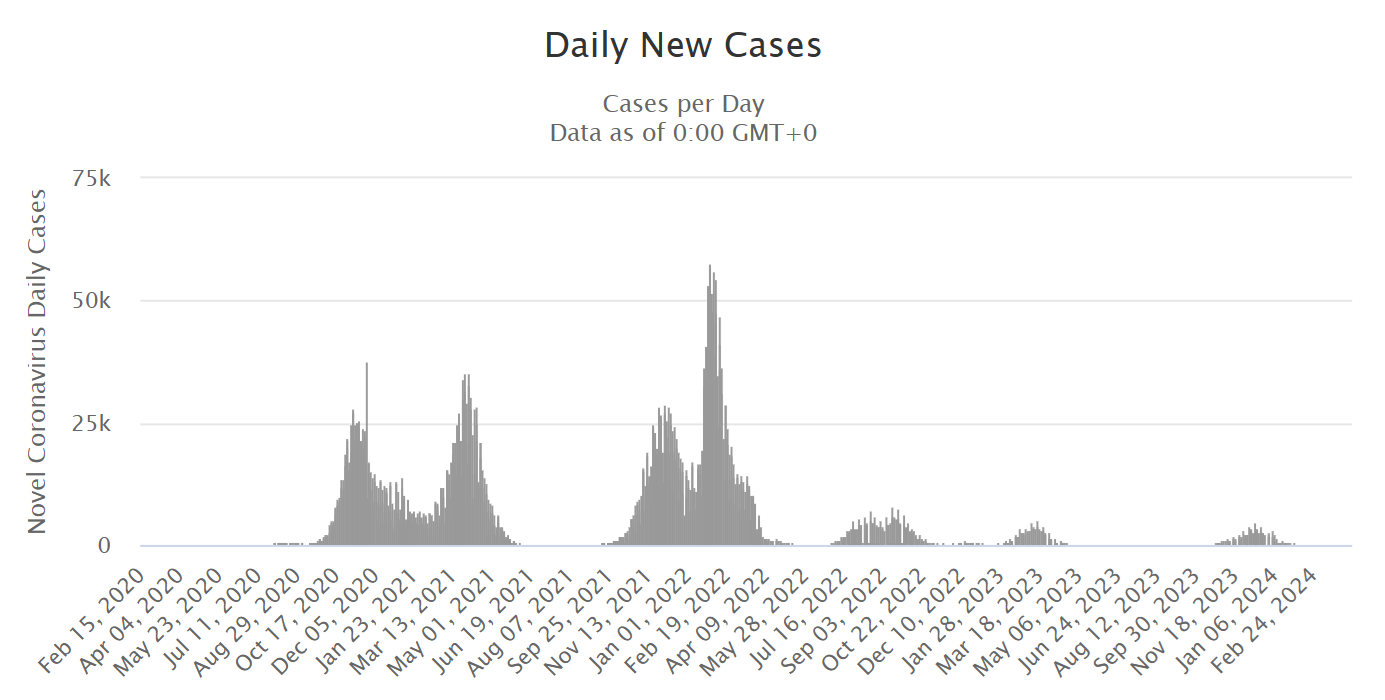
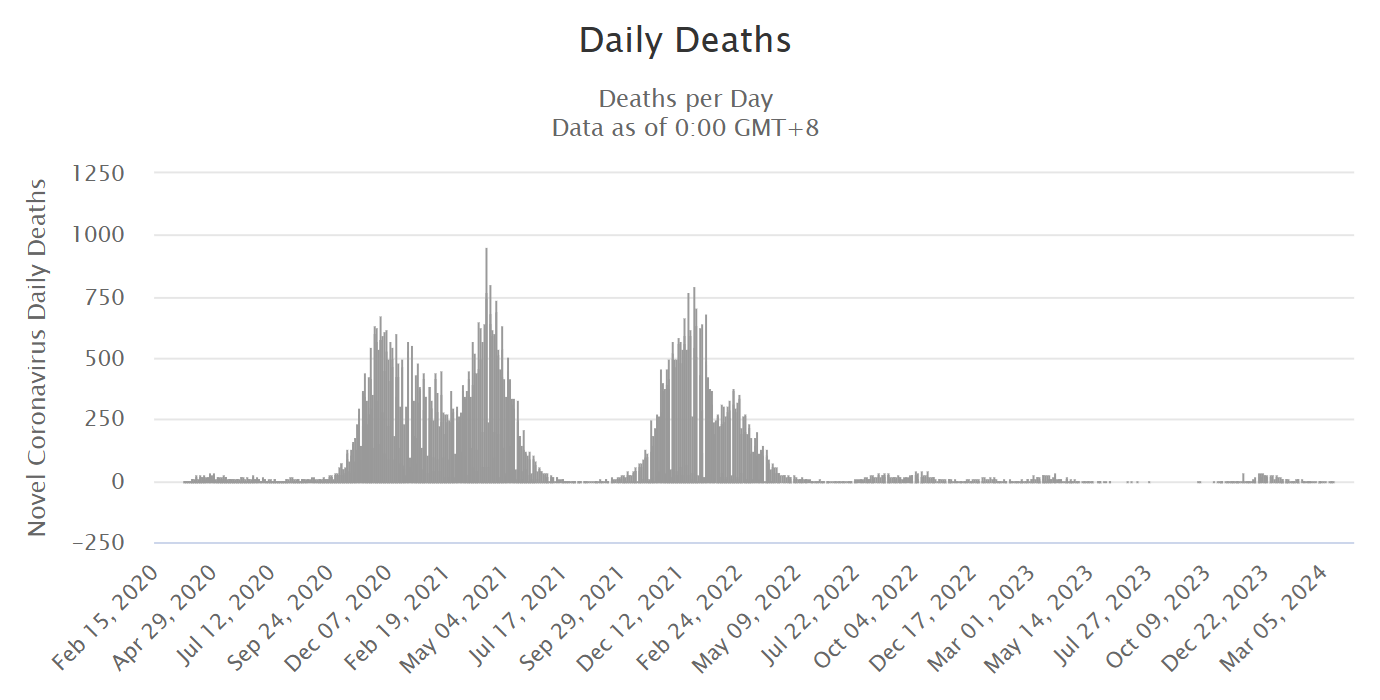
As the statistics show, the last major wave of the COVID-19 pandemic occurred in the spring of 2022. Fortunately, severe cases and deaths from the disease were limited by growing herd immunity. At that time, the manufacturing zone in our modern Scientific and Industrial Complex was busy producing vaccine antigens, while leading scientists were working on the new vaccines development to protect against emerging coronavirus variants (Omicron and Kraken)
As of December 31, 2022, a total of 200 million vaccine doses worth over PLN 13.8 billion had been contracted, of which PLN 8.1 billion had been paid for 131 million vaccine doses delivered to Poland and 4.2 million doses planned for receipt.
In December 2022, Poland offered Pfizer a settlement, which was rejected. In early 2023, Pfizer sued Poland, and the court ruled that the evidence presented did not support a finding of irregularities in the public procurement process involving Pfizer.
Act III (2025) – Supreme Audit Office’s report
A report by the Supreme Audit Office exposed the scale of the waste. In 2022 only, 14.8 million vaccines were disposed of, accounting for 11.3% of all doses delivered. The number of doses disposed of between April and December 2022 increased by 352%. The total estimated value of the disposed vaccines exceeded PLN 900 million.
Furthermore, by the end of 2022, Poland had transferred a total of 27.6 million vaccines to other countries through sales or donations, and the total estimated value of these vaccines amounted to PLN 1.4 billion.


The money we will have to pay for vaccines destined for disposal could instead be spent on patients. PLN 6 billion is the annual cost of medications for cancer patients, or the annual cost of maintaining emergency medical services and chemotherapy drugs.
The National Revenue Administration (KAS) has concluded its audit of the Ministry of Health. The audit has now formalised what market observers could observe in real time. The procurement process at the Ministry of Health during the pandemic vaccine phase failed the basic standards of demand analysis. The KAS has filed 10 notices of suspected criminal activity in connection with the audit. The court cases are pending.
Act IV (2026) – Verdict on Mismanagement
This ruling must serve as a structural turning point. When a state consistently bypasses domestic partners, the risk accumulates, and it eventually presents itself as a court order in Brussels.
Strengthening Polish biopharma sector is a matter of strategic sovereignty. A domestic manufacturer can adjust to demand curves. It can respond to evolving scientific guidance. It remains subject to European regulatory oversight and accountable to regional institutional priorities.
In any functioning commercial environment, contracts are binding instruments. Pfizer entered into these agreements on the basis of firm volume guarantees that underpinned the European vaccine production scale-up. From a purely transactional standpoint, the Brussels court’s reasoning is sound.
Let’s take a look at how this works in the case of a standard public tender. When a private contractor is engaged to deliver a service or volume of goods, the commissioning authority cannot simply walk away when demand falls or political circumstances shift. The supplier has committed resources, reserved capacity, and structured its operations around contractual certainty. Liabilities arising from signed agreements must be settled. In both the public and private sectors.
Poland is now effectively paying for over 64 million doses that will, in all probability, never be used, and be destined for disposal upon delivery.
Prepared by:

Marketing Specialist
Sources and further reading
- European Commission. Advance Purchase Agreement for the development, production, priority-purchasing options and supply of a successful COVID-19 vaccine for EU Member States. 2021.
- Stasiak A. A synergy of excellence: Novavax-Mabion partnership on vaccine during unprecedented times amid the COVID-19 pandemic. Mabion Science Hub. 2024.
- Najwyższa Izba Kontroli (NIK). Epidemia COVID-19 – czas chaosu i nietrafionych decyzji – wybrane zagadnienia w świetle ustaleń kontroli NIK. 2025.
- Ministerstwo Zdrowia. Komunikat dotyczący nieprawomocnego wyroku w sprawie Pfizer Export. 2026.
- Worldometer. Coronavirus Tracker. 2024.