
Strengthening Strategic Biopharma Partnerships in Brazil: Mabion Visits Bio-Manguinhos and IBMP
- The strategic biopharma partnerships in Brazil established by Mabion cover a broad range of business and operational activities. A particularly important role is played by the framework agreement with IBMP, under which Mabion is responsible for the comprehensive design, development, and implementation of a biosimilar manufacturing process, including the supply of the drug substance for clinical trials.
- In May 2026, our experts traveled to Rio de Janeiro for the International Symposium on Immunobiologicals to strengthen our partnerships and gain a deeper understanding of Brazil’s rapidly growing biotechnology ecosystem.
Discover Mabion’s perspective on growth in the South American market following the visit of Judyta Suskiewicz (JS) and Anna Czubatka-Bieńkowska (ACB) to Brazil.
How would you describe the Brazilian biotech ecosystem?
JS: The Brazilian biotech ecosystem impressed me on many different levels. It is ambitious, highly engaged, and very focused on addressing real healthcare needs through science and innovation.
What I found especially inspiring was the way scientific achievements are connected to regional public health priorities. You can clearly see that biotech in Brazil is not developing only for business purposes, but also to create long-term impact for patients and healthcare systems.
At the same time, I felt a very strong openness to international cooperation. There is a real willingness to exchange knowledge, build partnerships, and create solutions together and this creates a very positive environment for companies like Mabion.
ACB: What impressed me most about the Brazilian biotech ecosystem is its strong, practical focus on addressing real and current healthcare challenges. Brazil has a large and diverse population, with many patients still facing unmet medical needs across different disease areas. This creates a very clear sense of purpose: finding solutions that can genuinely support patients, healthcare systems, and regional access to innovative therapies. From my perspective, this problem-solving mindset, combined with openness to innovation, makes Brazil a very inspiring environment for biopharma collaboration.
What opportunities do you see for Mabion in Brazil?
JS: I see Brazil as a market with long-term potential for biopharma partnerships. The country has increasing demand for advanced biopharmaceutical solutions. For us, this creates opportunities in building strategic partnerships that can support innovation across the whole region.
How important was Mabion’s participation in the ISI Summit?
ACB: For Mabion, participation in the ISI Summit was an important opportunity to be closer to discussions about the future of biologics, vaccines, and biopharmaceutical innovation in Brazil and South America.
It was also a very valuable moment to meet partners, exchange perspectives, and better understand the needs of the local market. Events like ISI show how important international cooperation is in advancing biopharmaceutical development.
JS: The ISI Summit offered a vibrant forum for open discussion about innovation, manufacturing, vaccines, and future healthcare challenges. It was also a great opportunity to meet many inspiring experts and local organizations in one place.
What did you learn during your visit to Bio-Manguinhos?
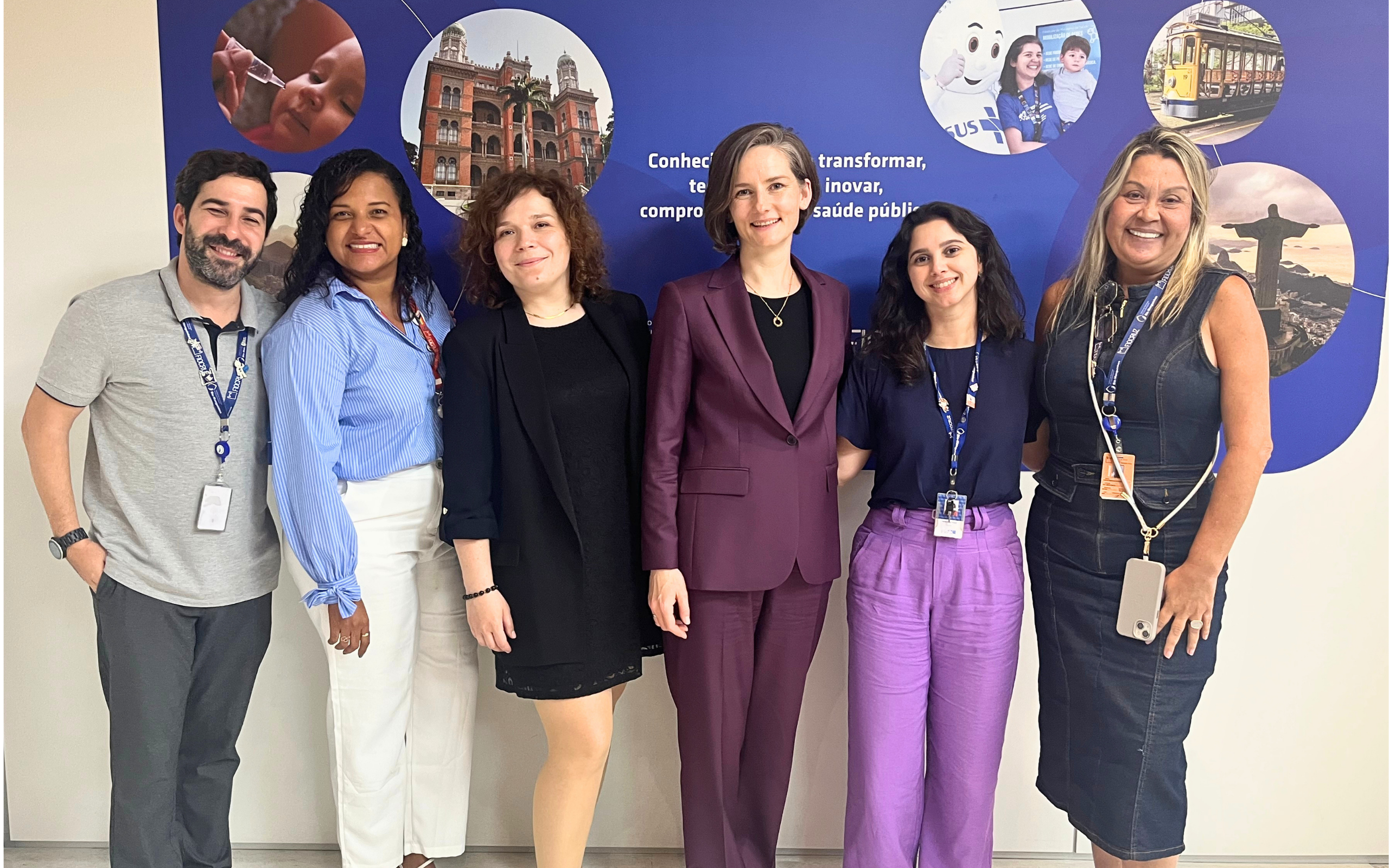
ACB: Our visit to Bio-Manguinhos gave us a much deeper understanding of what biopharma partnerships in Brazil can look like in practice. What stood out to me was how advanced infrastructure, expertise, and public health priorities are connected there. Bio-Manguinhos plays a highly significant role in vaccine production, not only for Brazil’s National Immunization Program, but also for broader global health needs, particularly through internationally supplied vaccines such as yellow fever. I also learned how important their role is in technology transfer. It is not only about bringing innovative technologies into the country, but about building sustainable local capabilities, strengthening know-how, and expanding the portfolio of vaccines, diagnostics, and biopharmaceuticals available to patients. Their continuous investment in new capabilities, shows a very dynamic and well-functioning organization.
What I found especially inspiring is that Bio-Manguinhos combines industrial scale with a clear public mission. Their work supports access to essential and innovative therapies, contributes to scientific and technological development in Brazil, and also has an important social impact in Rio de Janeiro by creating jobs and strengthening the local life-science ecosystem.
JS: That visit confirmed how important collaboration is in this industry. When organizations share expertise and experience, they can accelerate development and create much stronger impact together.
How do you feel about biopharma partnerships in Brazil?
ACB: I feel very positive about them. Brazil has strong institutions, ambitious development plans, and a clear need for trusted partners who can support complex biopharmaceutical projects.
Our relationship with Instituto de Biologia Molecular do Paraná (IBMP) is a very good example. It is based on trust, open communication, and shared goals, which are essential when working on demanding development and manufacturing projects.
What impressed you most at IBMP?
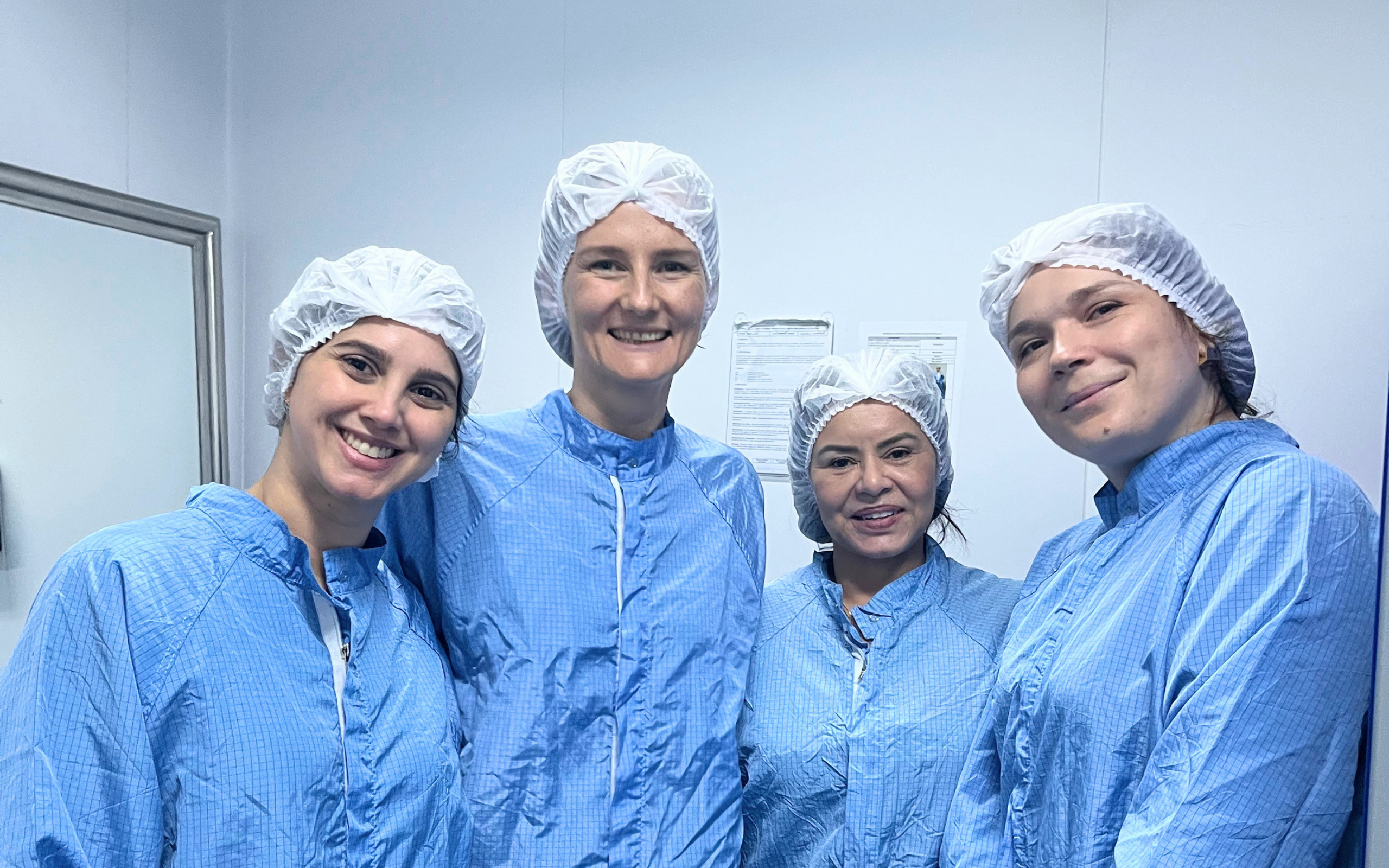
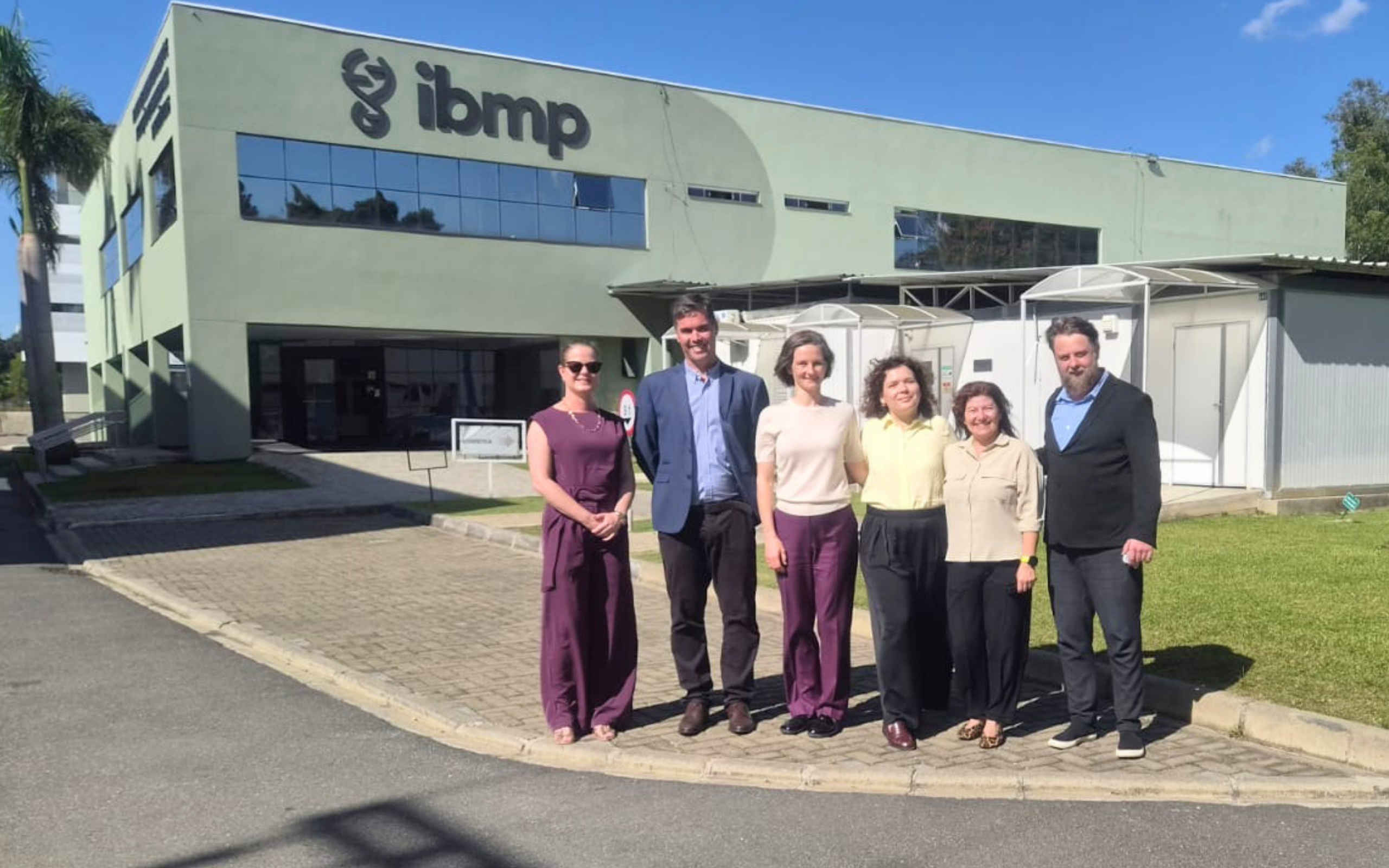
JS: What impressed me most at IBMP was the combination of advanced infrastructure with genuine passion and commitment from the people working there. It was especially rewarding for me to the team we work with every day from opposite sides of the ocean. Having IBMP’s CEO participate in our discussions clearly highlighted the mutual value of this collaboration.
The newly constructed pilot plant and laboratory facilities clearly show their ambitious vision for the future. It was inspiring to see how strongly they invest in development and innovation. The state-of-the-art facility reflects IBMP’s strategy to stay at the forefront of scientific innovation.
How does the collaboration between Mabion and IBMP support biopharma market?
ACB: Our collaboration with IBMP focuses on the development of a biosimilar molecule. Mabion is responsible for developing a stable and robust bioprocess supported by analytical methods development. As a next step, the developed process will be scaled up to the clinical manufacturing scale, transferred to the GMP conditions, and manufacturing GMP drug substance to support IBMP’s clinical trials. This is exactly where Mabion’s experience can bring additional value.
Why are visits like this important for Mabion?
JS: The true value of these visits lies in moving beyond presentations and virtual meetings to build authentic partnerships.
Seeing facilities firsthand, understanding local perspectives, and spending time together creates a much deeper understanding of our partners’ goals, challenges, and ambitions. And at the end of the day, this is what business development is really about.
ACB: Visits like this are very important for Mabion because they allow us to better understand the people we work with, their priorities, and the context in which they operate. In biopharma projects, success depends not only on technical expertise, but also on trust, communication, and a shared understanding of the goal we are working toward. Meeting our partners in person gives us a different perspective than regular online meetings. It helps us understand their needs more deeply, see how they work, and identify how we can collaborate even more effectively. This directly translates into stronger project execution and creates a good foundation for future initiatives.
There is also a very human aspect to it. Having the opportunity to meet face to face with people we usually see only through a Teams screen is always valuable and very satisfying. It strengthens relationships, builds mutual confidence, and reminds us that behind every successful project there are committed people working together toward the same purpose.
Prepared by:

Marketing Specialist