

KRAS vaccine is an effective treatment for pancreatic cancer
- First-in-human phase I clinical trial led by Johns Hopkins Hospital researchers has provided encouraging evidence that KRAS vaccine can safely activate the immune system in people at high risk of pancreatic ductal adenocarcinoma.
- 90% participants (18 out of 20) developed a significant mutant KRAS-specific T-cell response.
- Longitudinal sequencing confirming that these protective immune cells persisted in the blood for up to two years. Not a single participant in the vaccinated group developed pancreatic cancer.



For individuals living under the shadow of a hereditary predisposition to pancreatic ductal adenocarcinoma (PDAC), every routine scan is a moment of profound anxiety. For those who discover a radiographic abnormality, such as a small cyst, the standard of care has traditionally been limited to “watchful waiting” or highly invasive surgical resection that carries an 80% recurrence rate. However, newly published results from a groundbreaking phase I clinical study are now offering a transformative third option: a vaccine designed to stop cancer before it even starts.
Clinical Trial Offers Hope to Pancreatic Cancer Patients
Exploratory imaging even revealed that 37.5% of vaccinated patients saw their pancreatic cysts shrink or resolve entirely, compared to just 6.8% in an unvaccinated comparison group.
The study was designed primarily to evaluate safety and immune activity. The trial enrolled 20 people who had both a hereditary predisposition to pancreatic cancer and a pancreatic abnormality detected through imaging. Participants received mKRAS-VAX, an off-the-shelf vaccine containing synthetic long peptides representing six common KRAS mutations, together with the immune-stimulating agent poly-ICLC. Three priming injections were administered at weeks one, three and five, followed by a booster at week 13.


Individuals at high risk due to hereditary predisposition or to the presence of a concerning pancreatic lesion detected on imaging usually undergo surveillance to monitor for changes over time (…) If there is a high enough concern for transformation to cancer or if early cancer is detected, the current standard of care is surgical resection. However, the chances of recurrence are up to 80%, and many precursor lesions to pancreatic cancer are microscopic and thus undetectable by imaging.
The KRAS vaccine had a favorable early safety profile. All treatment-related adverse events were mild or moderate and commonly included injection-site reactions, fatigue, chills and temporary flu-like symptoms. After a median follow-up of 16.5 months, none of the participants had developed pancreatic cancer or a high-risk lesion requiring surgery.
Eighteen participants developed a significant mutant KRAS-specific T-cell response. The median number of responsive T cells increased approximately 18.2-fold after vaccination, showing that the immune system could recognize targets that are normally weakly immunogenic.
Immune Response to KRAS Vaccine
Immune system is a highly trained security force that sometimes needs a “wanted poster” to identify an elusive enemy. Normally, the immune system may overlook precancerous cells because they look too similar to healthy ones. The vaccine solves this by introducing small, harmless fragments of the mutant KRAS protein to train the body’s defenses.
Because the vaccine only targets the mutated version of the KRAS protein, the newly trained T-cells ignore healthy cells and focus entirely on the “biological intruders”. This specificity is why the trial participants experienced so few side effects compared to traditional treatments like chemotherapy, which often damages healthy and cancerous tissue indiscriminately.
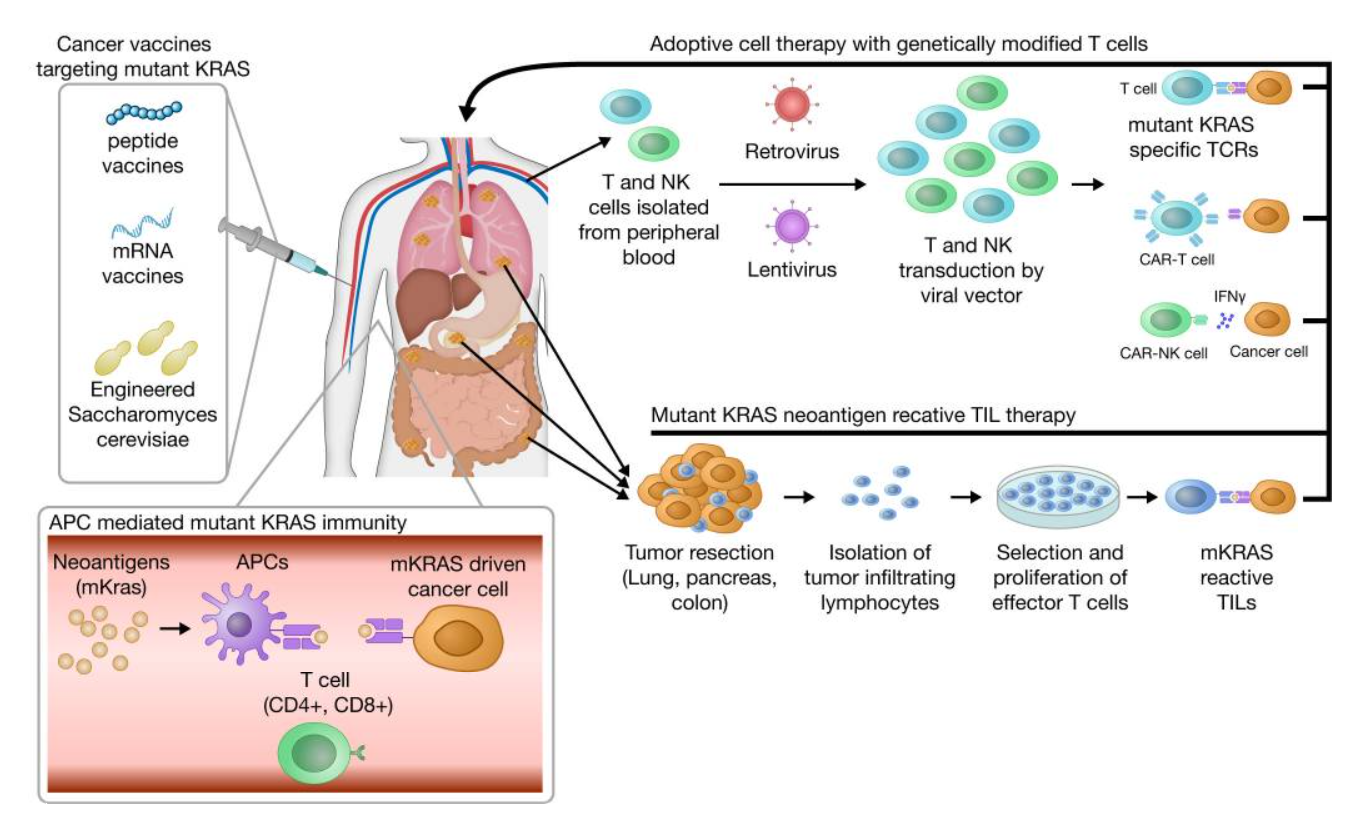
The response involved both CD4-positive helper T cells and CD8-positive cytotoxic T cells. Investigators also detected effector and central-memory populations, while vaccine-associated T-cell receptor clonotypes remained measurable for as long as two years in some participants.
The result builds on a separate phase I study in 12 patients whose pancreatic cancers had been surgically removed. When a six-mutation KRAS peptide vaccine was combined with the checkpoint inhibitors nivolumab and ipilimumab, 11 patients developed significant immune responses and 10 responded to a KRAS mutation found in their own tumor. Associations between stronger responses and longer disease-free survival were encouraging but exploratory.
Another investigational platform, ELI-002 2P, has produced KRAS-specific T-cell responses in 84% of 25 patients with molecular evidence of residual pancreatic or colorectal cancer following local treatment. These independent trials suggest that mutant KRAS can be targeted by vaccine technologies.
Pancreatic Ductal Adenocarcinoma Interception Mechanism
KRAS mutations occur in most pancreatic ductal adenocarcinomas and are already present in many precancerous pancreatic lesions. The scientific strategy behind cancer interception relies on the fact that PDAC evolve from precursor lesions over more than a decade. These precursors, such as pancreatic intraepithelial neoplasia (PanIN) and intraductal papillary mucinous neoplasms (IPMN), are microscopic changes where the KRAS mutation first appears. This “silent” period provides a critical window of opportunity to intervene before the cells become invasive and life-threatening.
KRAS vaccine contains 21-amino-acid peptides covering the KRAS G12D, G12V, G12R, G12C, G12A and G13D mutations. Antigen-presenting cells take up these peptides, process them and display mutant fragments through major histocompatibility complexes, allowing T cells to distinguish KRAS-mutant cells from healthy tissue. Poly-ICLC activates innate immune signaling and strengthens this antigen-presentation process.
Activated CD4-positive cells coordinate and sustain the immune response, while CD8-positive cells can directly kill cells displaying mutant KRAS. Administering the vaccine during the precancerous stage may give these cells access to abnormal tissue before pancreatic tumors develop dense stroma, regulatory immune cells and inhibitory signals that exclude or exhaust tumor-fighting lymphocytes.
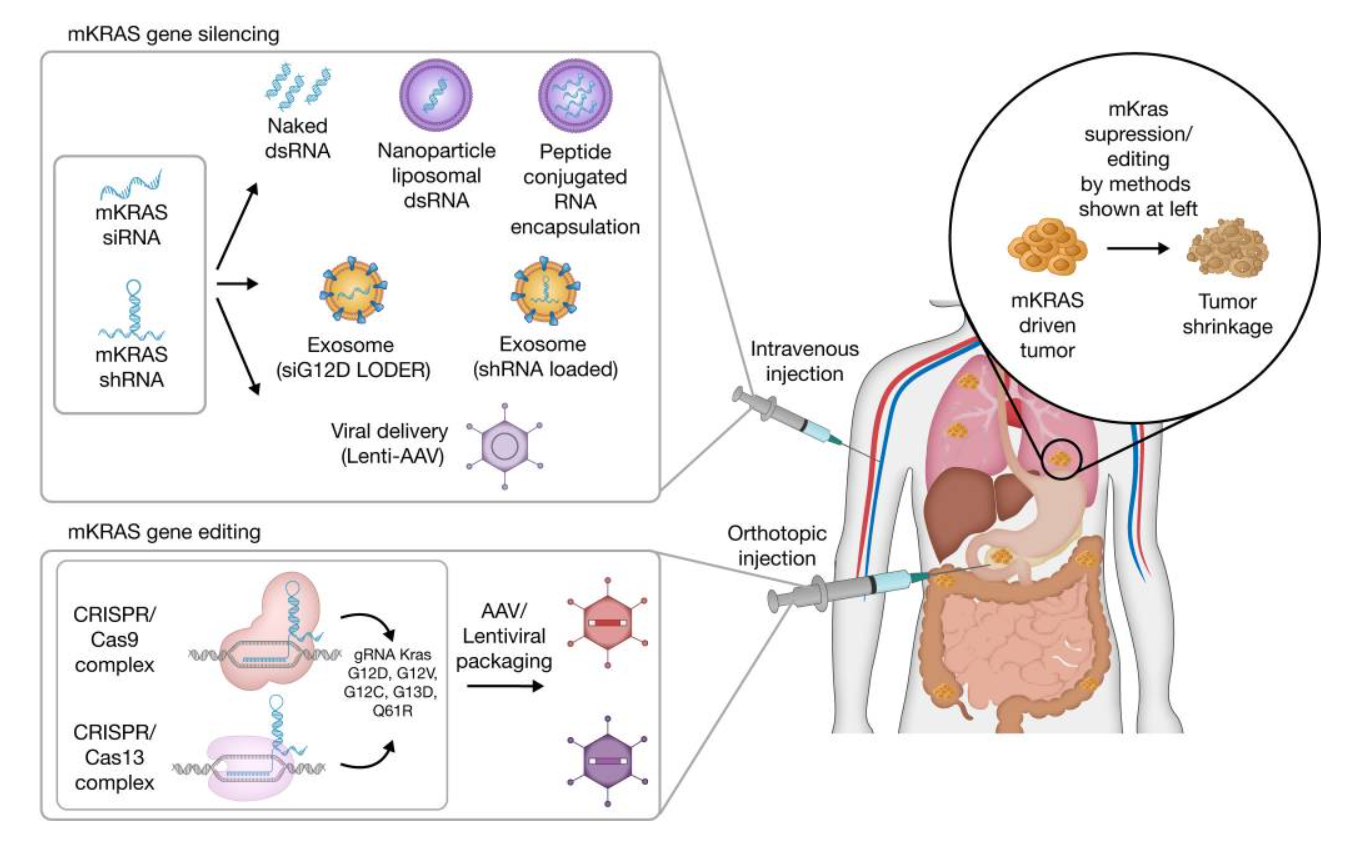
Beyond the immediate attack, the KRAS vaccine stimulates the creation of memory T-cells. These cells act as a long-term surveillance unit. Central and effector memory cells remain in the blood and tissues for years. They may be ready to act if a cell with a KRAS mutation ever reappears.
Future Clinical Use of the KRAS Vaccine
Globally, the need for a safe and effective pancreatic cancer vaccine is urgent. It is currently the seventh leading cause of cancer death and is projected to become the second within the next decade. With a five-year survival rate of only 12%, and the majority of patients diagnosed only after the disease has spread, traditional therapies are often too little, too late. A preventative vaccine could provide a lifeline to the millions of people worldwide who are at high risk due to family history or known genetic mutations.
Unlike personalized neoantigen vaccines that must be custom-manufactured for every individual patient this vaccine targets shared mutations found in 90% of all pancreatic cancer cases. This means it could be manufactured at scale and delivered to high-risk populations across the globe.
I haven’t been this excited in my whole career… I feel like I’ve never been more enthusiastic that we are making great progress with immunotherapy now in diseases that immunotherapy has not yet made progress.
Beyond prevention, this vaccine technology is also being tested to improve outcomes for those who have already undergone surgery. For these patients, the vaccine may help eliminate minimal residual disease. This could potentially lead to permanent remission. Early findings from related trials suggest that some patients mount a strong immune response to the vaccine. These patients appear to experience significantly longer relapse-free survival.
Clinical prevention still needs to be validated. For now, the breakthrough shows that an off-the-shelf mutant KRAS vaccine can generate broad and durable immune responses. The vaccine remains investigational and unapproved. Researchers have also disclosed commercial interests related to its development. Larger, multicenter and preferably randomized studies will be required. They must determine whether vaccination reduces pancreatic cancer incidence, slows the progression of precursor lesions or decreases the need for surgery.
FAQ
Prepared by:

Marketing Specialist
Sources and further reading
- The Johns Hopkins Hospital. Experimental KRAS Vaccine Generates Immune Response Against Pancreatic Cancer in People at High Risk. 2026.
- Haldar SD, Huff AL, Wang HH, Zhu Z, Berg M, Lu J, Sun N, Abou Diwan E, Sinan H, Thoburn CJ, Guo MZ, Yoshida T, Chu LC, Ferguson AK, Sidiropoulos DN, Kagohara LT, Ho WJ, Bever KM, Baretti M, Yarchoan M, Laheru DA, Nauroth JM, Thomas AM, Wang H, Azad NS, Goggins MG, Jaffee EM, Zaidi N. First-in-human testing of a mutant KRAS vaccine for pancreatic cancer interception in high-risk cohorts. Cancer Discov. 2026.
- Sidney Kimmel Comprehensive Cancer Center. Mutant KRAS -Targeted Long Peptide Vaccine for Patients at High Risk of Developing Pancreatic Cancer (ClinicalTrials.gov). NCT05013216. 2026.
- Asimgil H, Ertetik U, Çevik NC, Ekizce M, Doğruöz A, Gökalp M, Arık-Sever E, Istvanffy R, Friess H, Ceyhan GO, Demir IE. Targeting the undruggable oncogenic KRAS: the dawn of hope. JCI Insight. 2022; 7(1): e153688.
- Schoenthaler E. Johns Hopkins-Developed KRAS Vaccine Shows Durable Immune Response in Pancreatic Cancer Prevention Trial. BioPharm International. 2026.
- Barrett BC. Developing mutant KRAS targeted vaccines for pancreatic cancer interception. Drexel University. 2024.
- Pant S, Wainberg ZA, Weekes CD, Furqan M, Kasi PM, Devoe CE, Leal AD, Chung V, Basturk O, VanWyk H, Tavares AM, Seenappa LM, Perry JR, Kheoh T, McNeil LK, Welkowsky E, DeMuth PC, Haqq CM, O’Reilly EM. Lymph-node-targeted, mKRAS-specific amphiphile vaccine in pancreatic and colorectal cancer: the phase 1 AMPLIFY-201 trial. Nat Med. 2024; 30(2): 531-542.
- Huff AL, Haldar SD, Girgis AA, Wang HH, Danilova L, Heumann T, Berg M, Wang Y, Andaloori L, Hernandez A, Longway G, Barrett B, Zhu Z, Davis-Marcisak E, Thoburn C, Leatherman J, Mitchell S, Lee JW, Shu DH, Konig MF, Mog BJ, Montagne J, Coyne EM, Bever K, Baretti M, Yarchoan M, Anders RA, Kagohara LT, Laheru D, Thomas AM, Durham J, Nauroth JM, Lu J, Wang H, Fertig EJ, Ho WJ, Azad NS, Jaffee EM, Zaidi N. Mutant KRAS vaccine with dual checkpoint blockade in resected pancreatic cancer: a phase I trial. Nat Commun. 2026 Feb 10;17(1):1538. doi: 10.1038/s41467-026-68324-4. Erratum in: Nat Commun. 2026; 17(1): 3516.
- Mondal K, Posa MK, Shenoy RP, Roychoudhury S. KRAS Mutation Subtypes and Their Association with Other Driver Mutations in Oncogenic Pathways. Cells. 2024; 13(14): 1221.
- Goggins M, Jaffee E, Zaidi N. A Vaccine to Prevent Pancreatic Cancer in High-risk Individuals Was Safe and Elicited Durable Immune Responses. The American Association for Cancer Research (AACR). 2026.