Science News
Discover the news and inspiring materials from the world of biotechnology.

Mabion Wins Best of Industry Insights Award for Biologics Outsourcing Article in Outsourced Pharma Best Of 2024
Mabion SMEs’s article has been awarded Best of Industry Insights in the Biologics Outsourcing category of the Outsourced Pharma Best Of 2024 awards.
Learn more
FDA approves first medication for obstructive sleep apnea: Eli Lilly’s Zepbound GLP-1 agonist
The FDA has approved Eli Lilly’s Zepbound (tirzepatide) as the first-ever medication for treating moderate to severe obstructive sleep apnea (OSA) in adults with obesity, providing a pharmacological alternative to CPAP machines and surgery.
Learn more
Biocon’s Yesintek receives EMA and FDA approval as the next ustekinumab biosimilar
Yesintek, a biosimilar to ustekinumab developed by Biocon, has received approval from both the EMA and FDA, joining other ustekinumab biosimilars like Amgen’s Wezlana and Alvotech’s Selarsdi.
Learn more
Lecanemab approved by EMA in early Alzheimer’s after re-evaluation
The European Medicines Agency (EMA) reversed its initial rejection and approved lecanemab (Leqembi) for early-stage Alzheimer’s, limiting its use to patients with one or no copies of the ApoE4 gene. The restriction of indication is intended to maximize the benefit-risk ratio of the new drug.
Learn more
Transplantation of stem cells islets cures patient from type 1 diabetes
Chinese scientists have reversed Type 1 diabetes in a patient by transplanting chemically-induced pluripotent stem-cell-derived islets (CiPSC islets), marking a significant medical breakthrough. The procedure reprogrammed the patient’s own fat cells into insulin-producing islets, eliminating the need for insulin therapy and reducing the risk of immune rejection frequently seen with donor-based transplants. Stable glycemic control was maintained at least for one year, with no registered complications.
Learn more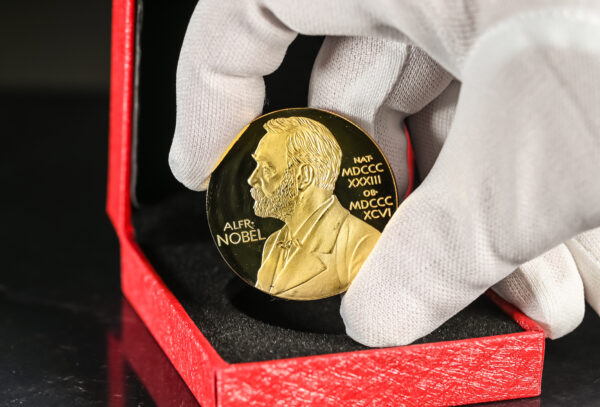
Nobel prize in medicine awarded to microRNA discoverers
This year’s Nobel prize in physiology or medicine has been awarded to Victor Ambros and Gary Ruvkun who discovered microRNAs (miRNAs) and elucidated their role in regulating gene expression. MicroRNAs are a class of small RNA molecules that reduce the expression of specific genes by binding to and disrupting their corresponding mRNAs. This regulation of gene expression pattern by miRNAs plays a key role in driving cell differentiation and determining cell fate. The discoveries of this year’s Nobel laureates are likely to pave the way for novel cancer therapies.
Learn more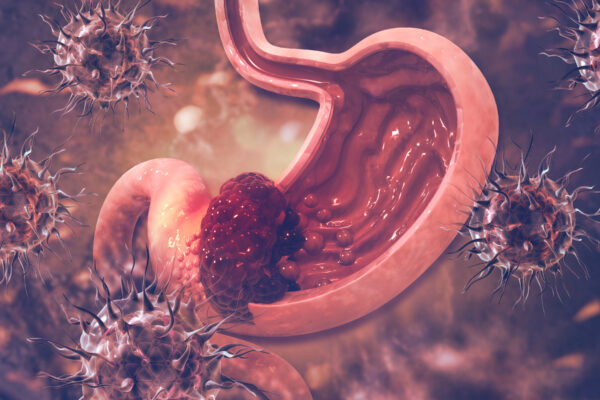
Zolbetuximab demonstrates significant benefit in gastric cancer and receives approval in the EU
Zolbetuximab, a monoclonal antibody targeting CLDN18.2, demonstrated significant benefits in advanced gastric and gastroesophageal junction cancer. The trials reported improvement both in progression-free and overall survival, over chemotherapy alone, leading to the recent approval by EMA.
Learn more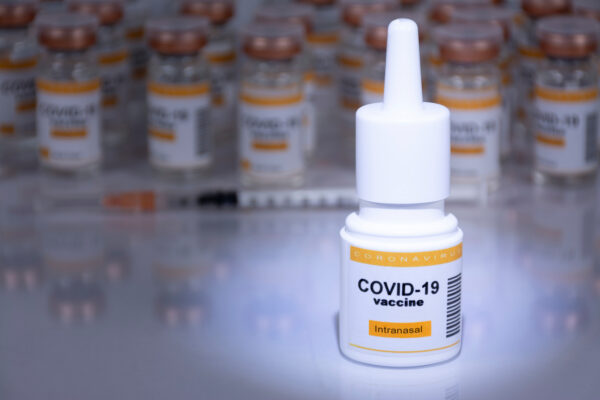
Are mucosal vaccines the future of COVID-19 prevention?
A bivalent mucosal vaccine against COVID-19 significantly increased IgA antibodies in upper and lower respiratory tracts, and induced durable protection against challenge with SARS-CoV-2 XBB.1.16 virus in non-human primates. Mucosal vaccines are expected to reduce viral transmission, and provide broader and more sustained protection against the newly emerging variants than the currently used mRNA vaccines.
Learn more
Lecanemab, a breakthrough Alzheimer’s drug, rejected by EMA
Lecanemab, an FDA-approved amyloid-targeting antibody for Alzheimer’s disease, has been recently rejected by the EMA on the ground of unfavorable benefit-risk ratio.
Learn more