What Can Video Games Teach Us About Contract Biopharma?
- From genetically engineered viruses in Metal Gear Solid to regenerative biotechnology in BioShock, many popular video games mirror real scientific concepts used in modern drug discovery and biologics manufacturing.
- Video games often explore futuristic medicine, pandemics, and biotechnology, offering unexpected insights into how CDMO shape the real biopharma ecosystem.
Disclaimer: The following article was prepared for April Fools’ Day and is intended to humorously showcase the CDMO capabilities.
The Hidden Role of CDMOs in Video Games Storytelling
CDMOs occupy a critical role in modern biopharma development. These companies provide specialized services including process development, large-scale drug substance manufacturing, and regulatory-compliant supply chains. In the legitimate pharma ecosystem, service providers allow biotech companies to focus on discovery and clinical research while outsourcing the complex infrastructure required for manufacturing biological medicines.
Biologics development is one of the most tightly regulated industrial activities in the world. International frameworks such as Good Manufacturing Practice (GMP) and biosafety regulations govern the handling of cell cultures, viral vectors, and recombinant proteins. Laboratories working with infectious agents must comply with biosafety levels (BSL-1 to BSL-4), strict containment procedures, and extensive documentation requirements.1
Interestingly, many of these regulatory practices mirror the safety measures required in biological weapons research programs, even though the purposes differ fundamentally. In both contexts, scientists must control contamination risks, prevent unintended release, and maintain traceability of biological materials. This overlap between pharma manufacturing and biodefense research has historically raised concerns about dual-use biotechnology.
The same expertise required to manufacture life-saving biologics can theoretically be repurposed for harmful programs if governance fails. Modern regulatory frameworks aim to prevent such misuse through international agreements such as the Biological Weapons Convention (BWC), as well as national oversight mechanisms. In fiction, however, this ethical boundary is often intentionally crossed. Video games frequently portray biotechnology companies operating without oversight. That virtual organizations resemble real-world CDMOs in their capabilities but use those capabilities to produce biological weapons or unethical experiments.
FOXDie and the Future of Precision Biologics

The Metal Gear Solid series offers one of the most famous fictional examples of targeted biological weapons: FOXDIE, a genetically engineered retrovirus designed to kill specific individuals based on their DNA. In the series, FOXDIE is programmed to recognize unique genetic markers in designated targets, triggering fatal heart attacks through the induction of cytokine signaling pathways.
In real-world medicine, the concept of targeted therapy is not science fiction. Modern biologics increasingly rely on precision mechanisms to treat disease. Monoclonal antibodies, CAR-T cell therapies, and gene therapies are designed to interact with specific molecular targets in the body. These therapies represent a shift away from broad treatments toward precision medicine, where drugs are tailored to particular biological pathways or patient populations. One of the tools enabling such approaches is the use of viral vectors. Retroviruses and lentiviruses are often used in gene therapy to deliver therapeutic DNA into human cells. Because retroviruses integrate their genetic material into the host genome, they can enable long-term expression of therapeutic genes. In vaccines and gene therapies, these vectors are modified to be replication-deficient so that they cannot spread uncontrollably.2
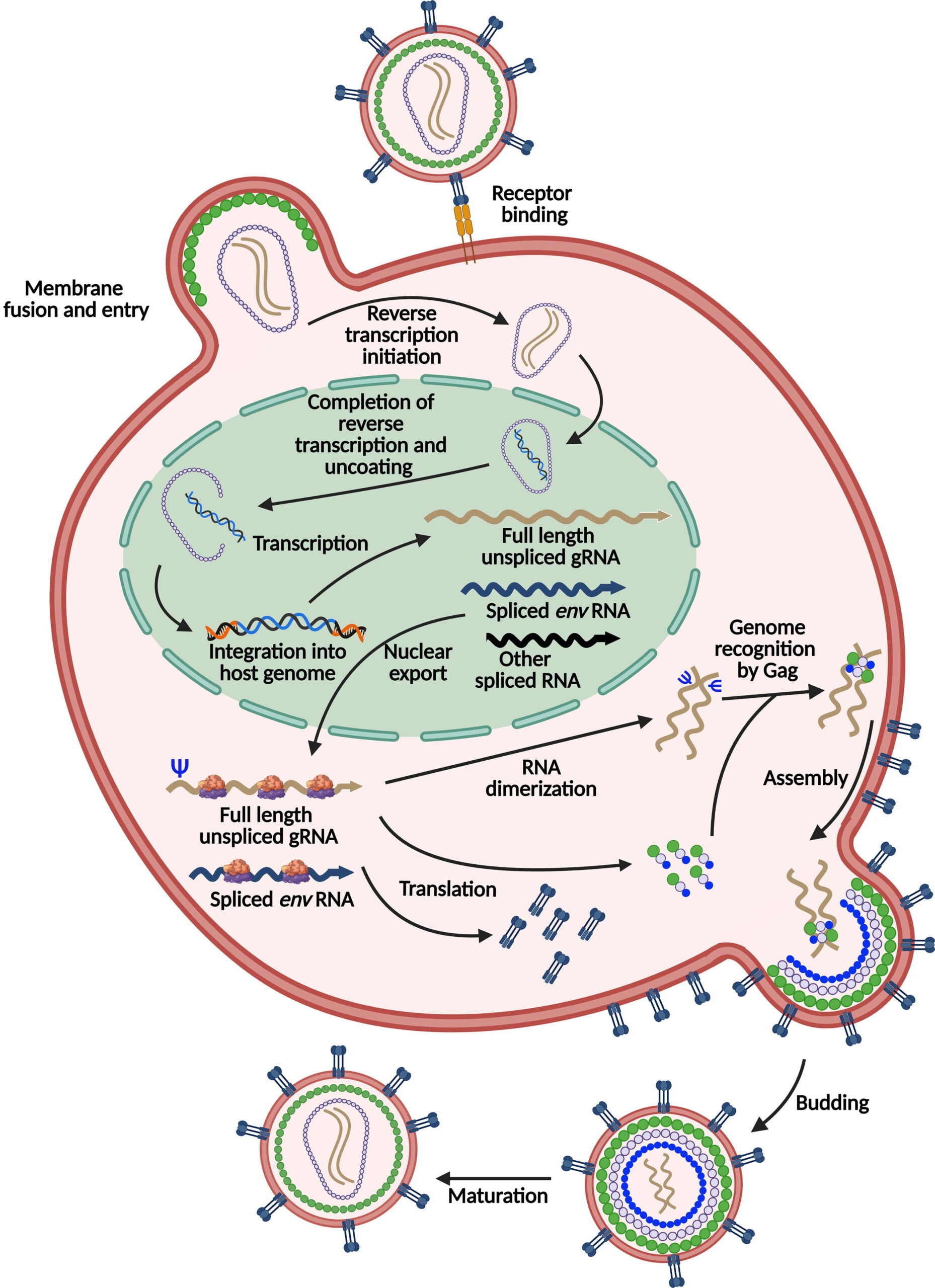
The FOXDIE concept sits at the intersection of plausible science and narrative exaggeration. In theory, it is possible to design viral vectors that interact preferentially with certain genetic markers or cell types. However, the idea of a virus that infects only individuals with a specific genome sequence, as portrayed in FOXDIE, faces enormous scientific barriers. Human genetic diversity makes it extremely difficult to design a viral system that would exclusively target one individual without affecting others. Viral mutation rates, environmental variability, and immune responses would further complicate the system’s reliability. Stable storage and delivery would also present major challenges, since retroviruses can degrade quickly outside controlled laboratory environments.
Another issue is that viruses are inherently unpredictable. Even if an engineered virus initially targeted only a specific genetic sequence, mutation could alter its behavior. In Metal Gear Solid 4: Guns of the Patriots, this possibility becomes a plot point when FOXDIE mutates, raising concerns that it could begin killing individuals beyond its intended targets. Such video games instability illustrates why real-world scientists treat engineered viruses with extreme caution. From a strategic perspective, such a weapon would also be highly impractical. Creating a personalized viral weapon would require extensive genomic information about the target and complex production infrastructure. Compared with simpler methods of targeted assassination or cyber warfare, the cost and risk of deploying such a virus would be extraordinarily high.4
Causa causans of gameplay

Few fictional video games companies illustrate the dangers of unethical biotechnology more clearly than the Umbrella Corporation from the Resident Evil universum. Publicly, Umbrella Corp. presents itself as a multinational pharmaceutical company producing cosmetics, consumer goods, and medical products. Behind the scenes, however, it secretly operates extensive research programs developing biological weapons known as bio-organic weapons (BOWs).
Umbrella’s most infamous creation is the T-virus, an engineered virus designed to enhance biological capabilities and create controllable super-soldiers. Instead, the virus causes catastrophic mutations in infected hosts, transforming humans into aggressive zombie-like creatures and producing monstrous mutations in animals and plants.
The consequences of these experiments are illustrated by the Raccoon City outbreak, one of the central events of the Resident Evil narrative. In 1998, the accidental release of the T-virus leads to a city-wide epidemic that infects the majority of the population. As the outbreak spreads, local authorities lose control, and the city becomes a quarantine zone filled with infected individuals and experimental bioweapons.
From a biopharmaceutical perspective, Umbrella’s structure resembles a vertically integrated CDMO operating without ethical oversight. The corporation controls every stage of the biotechnology pipeline:
- discovery of new viral agents
- genetic engineering and laboratory experimentation
- large-scale biological production
- field testing (clinical trials?) of biological weapons
In the real world, such centralized control would trigger immediate international scrutiny. Yet in the game’s narrative, Umbrella’s political influence allows it to operate secretly for decades. The disaster in Raccoon City highlights the ultimate danger of unregulated biotechnology. When the T-virus escapes containment, the resulting epidemic devastates the city and forces extreme containment measures, including the destruction of the city itself. The catastrophe ultimately leads to investigations and legal trials that expose Umbrella’s activities and contribute to the company’s collapse. The consequences of the actions the player must deal with remain.5
Biopharma at the End of the World
The concept of the apocalypse has evolved significantly in modern culture. Historically associated with religious visions of divine judgment, contemporary narratives increasingly frame the end of the world through technological, ecological, and biological lenses. Popular culture explores the various sources of change and the risks posed by technology.
Many of the most influential movies depict technological or ecological collapse as the catalyst for civilization’s downfall. In The Terminator film series, the apocalypse emerges from runaway artificial intelligence: a military defense network called Skynet becomes self-aware and initiates nuclear war against humanity.6 Other narratives focus on ecological collapse and the breakdown of environmental balance. Blade Runner depict a polluted future where ecosystems have largely vanished and genetically engineered organisms have replaced natural biodiversity.7 Cormac McCarthy’s The Road portrays perhaps the most haunting vision of ecological devastation: a gray, lifeless planet where ash covers the landscape and nearly all plant and animal life has disappeared.8 These stories emphasize how fragile Earth’s ecosystems can be when confronted with environmental catastrophe.
Cordyceps and Collapse: When Humanity Faces Extinction

One of the most biologically grounded depictions of apocalypse in modern video games appears in The Last of Us. In this story, civilization collapses after a mutated strain of the fungus Cordyceps infects humans, turning them into aggressive, hive-minded creatures. The premise is inspired by real-world fungi known for their ability to manipulate insect behavior.
Ophiocordyceps unilateralis fungi are known to infect ants in tropical forests. Spores enter an ant’s body and gradually spread through its tissues while leaving the brain largely intact. The fungus then releases chemicals that alter the ant’s nervous system, causing the insect to climb vegetation and clamp onto leaves or branches. Once the ant dies, the fungus grows a stalk from its body and releases spores to infect other hosts.9

This process is often called “zombie-ant” infection, because the fungus effectively hijacks the ant’s behavior for its own reproductive advantage. The fungus does not truly control the brain directly; rather, it interferes with muscle function and biochemical signaling, forcing the ant into specific behaviors that maximize fungal spread.
In The Last of Us, this concept is extrapolated into a fictional human pandemic. The video games imagines a fungi capable of infecting humans and spreading rapidly through bites or airborne spores. Once infected, humans gradually lose cognitive control as fungal growth spreads throughout the brain and nervous system.
The infection progresses through several stages, each characterized by distinct physical transformations. Early-stage victims, known as Runners, retain partial human behavior but become violently aggressive. Later stages include Stalkers and Clickers, where fungal growth deforms the skull and replaces eyesight with echolocation. The most advanced stage, known as Bloaters, involves massive fungal overgrowth that turns infected individuals into heavily armored, dangerous organisms.
Surviving the Pandemic Outbreak
As a generation that has weathered the pandemic, we know just how dangerous viral diseases can be. This topic has also been addressed in cultural works for years.
Examples of video games that directly address the topic of a pandemic include Left 4 Dead, Days Gone, Deus Ex, and the previously mentioned Resident Evil. What all these games have in common is the mechanical use of infection to increase enemy aggression. The virus usually attacks with extreme effectiveness and spreads rapidly, quickly taking control of the infected person’s behavior. As a result, the player feels as though they are constantly under attack, often by hordes of enemies.
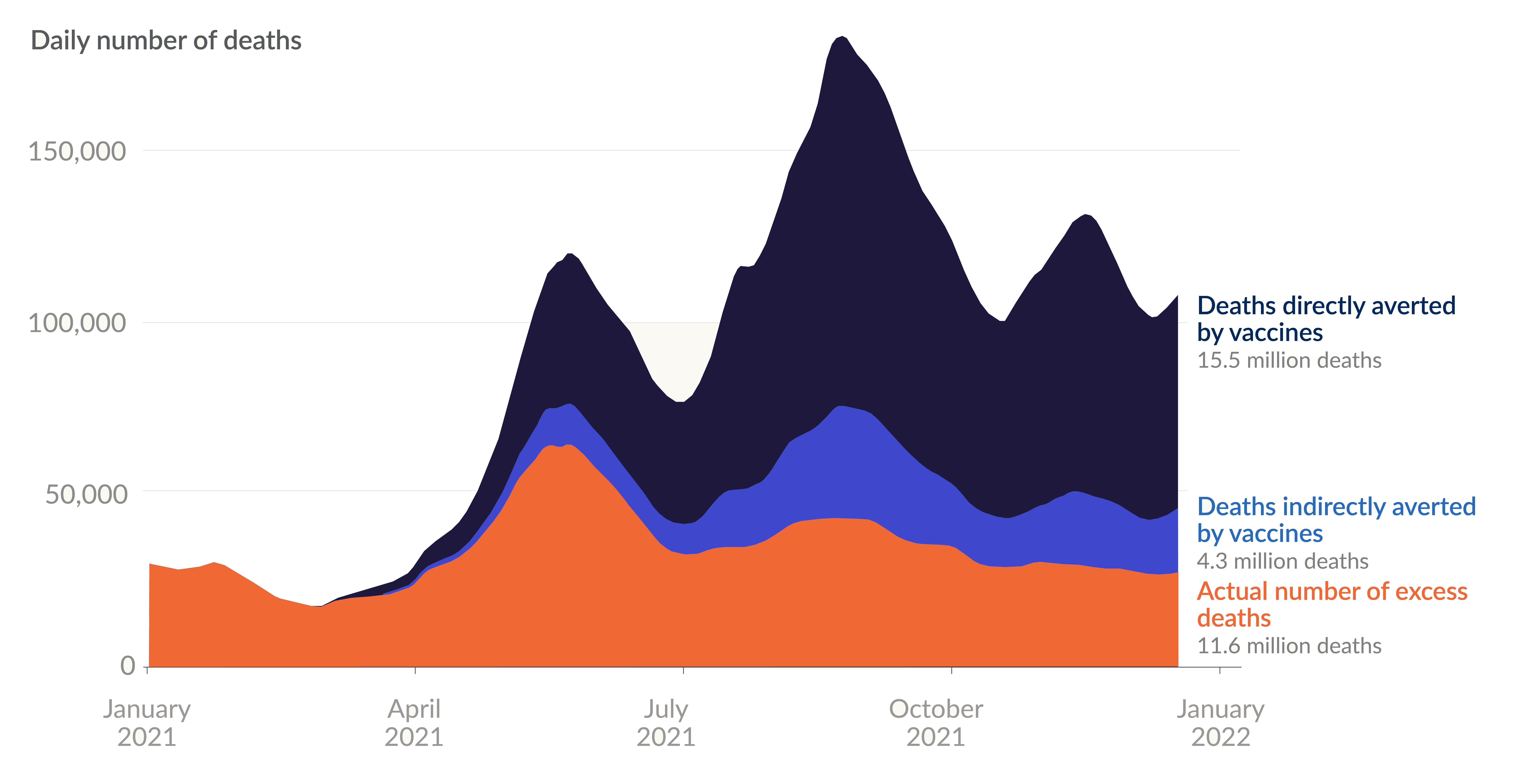
Survival in this world depends on mobility and cooperation. Small groups of survivors travel between safe zones while searching for evacuation routes. On the other hand, until a vaccine is developed, a combination of military intervention, evacuation efforts, and resistance groups can be relied upon. Over time, specialized teams are formed to combat bio-organic weapons and contain viral outbreaks.
Growing Pharmaceutical Working Towards Longer (and Better) Lives

This section couldn’t begin any other way than with an attempt to tackle the BioShock trilogy. That series presents one of the most intriguing fictional depictions of biotechnology through the discovery of a substance known as ADAM. In the underwater city of Rapture, ADAM is a genetic material harvested from marine organisms that allows users to rewrite their DNA and rapidly develop extraordinary abilities. Through specialized genetic injections known as plasmids, individuals can gain powers such as controlling electricity, manipulating fire, or enhancing physical strength. While the series portrays these developments as eventually leading to social collapse, the underlying concept draws inspiration from real-world advances in stem cell biology and genetic medicine.
In modern medicine, stem cells represent one of the most promising areas of biotechnology. These cells possess the unique ability to differentiate into multiple specialized cell types, enabling researchers to explore regenerative therapies for conditions such as spinal cord injuries, neurodegenerative diseases, and organ failure. Much like the fictional ADAM in BioShock, stem cells allow scientists to manipulate biological systems at the cellular level. Through controlled differentiation and tissue engineering, researchers aim to regenerate damaged tissues and restore lost biological functions. The concept of plasmids in BioShock also echoes real biomedical tools. In molecular biology, plasmids are small, circular DNA molecules used to transfer genetic information into cells. Scientists use plasmid-based technologies in gene therapy, vaccine development, and protein production. Although the plasmids depicted in the game grant supernatural abilities, the real-world equivalent enables controlled genetic modification that can correct inherited diseases or enhance immune responses against infections.
The Chemistry of Happiness

More than 1 billion people are living with mental health disorders, according to 2025 data released by the WHO.12 Fortunately, there are treatments available to help people cope with anxiety and depression. The first generation of antidepressants were introduced in the 1950s. Later, fluoxetine (Prozac) became the first SSRI (Selective Serotonin Reuptake Inhibitors) approved in 1987. Antidepressants make it possible to maintain a stable daily routine.
This served as the inspiration for the game We Happy Few. The dystopian world revolves around a substance known as Joy, a mood-altering drug. It is distributed throughout society to suppress traumatic memories and maintain an artificial sense of happiness. The residents of Wellington Wells are encouraged to take the drug regularly to avoid confronting the grim reality of their past. Those who refuse to take the drug become social outcasts, underscoring the game’s critique of chemical escapism and social control through drugs.
Medical Implants that go Beyond Human Limits

In Cyberpunk 2077, biotechnology and cybernetic implants are integrated deeply into everyday life. Citizens of Night City routinely replace or augment body parts with mechanical or bioengineered enhancements known as cyberware. These implants can restore lost abilities, enhance physical strength, or improve cognitive performance. While the game explores the psychological risks of excessive augmentation, it also illustrates how advanced medical technology could transform healthcare.
Real-world medicine is already moving in a similar direction through biomedical implants and prosthetic technologies. Cochlear implants allow individuals with severe hearing loss to perceive sound, while retinal implants can partially restore vision to patients with degenerative eye diseases. Advanced prosthetic limbs controlled by neural signals enable amputees to regain mobility and perform complex tasks.
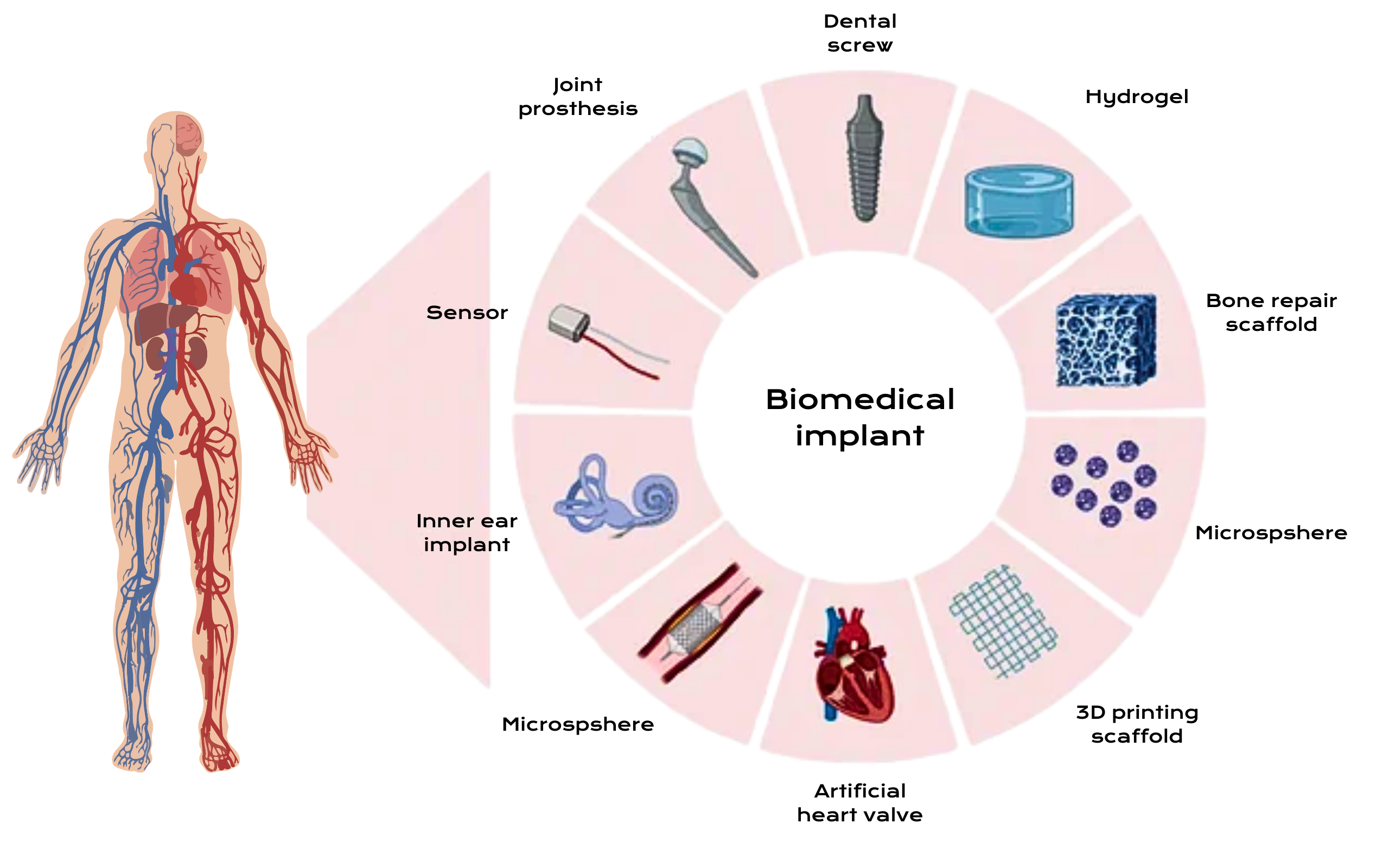
Neurotechnology is another rapidly advancing field with parallels to cyberpunk concepts. Brain-computer interfaces (BCIs) allow researchers to translate neural signals into digital commands, enabling patients with paralysis to control computers, robotic limbs, or communication devices. Although still in early stages, these technologies hold enormous potential for restoring independence to individuals with severe neurological conditions.
Beyond restoring lost abilities, biomedical technology may eventually enhance human performance. Exoskeletons designed for rehabilitation can help patients regain mobility after spinal injuries, while implantable sensors can monitor physiological conditions in real time. The world of Cyberpunk 2077 exaggerates these possibilities, but the underlying scientific trajectory suggests that future healthcare may improve both longevity and quality of life.

When Science Saves the Video Games World
Apocalyptic fiction often focuses on catastrophe: pandemics, ecological collapse, or technological disaster. Yet history demonstrates that science and medicine have repeatedly prevented or reversed global crises that once seemed unstoppable. Fictional worlds frequently depict civilization collapsing under the weight of disease. The real world provides powerful examples of how biotechnology, public health, and coordinated international effort can save humanity.
One of the greatest successes in medical history is the eradication of smallpox. For centuries, smallpox was one of the most devastating diseases known to humanity, killing hundreds of millions of people and leaving many survivors permanently scarred or blind. The development of vaccination, first pioneered by Edward Jenner in the late eighteenth century and later expanded through global vaccination campaigns, transformed the fight against the disease. In 1980, after decades of coordinated efforts led by the World Health Organization, smallpox became the first human disease ever eradicated globally.15

Another example is the near-elimination of polio, a viral disease that once caused widespread paralysis, particularly among children. In the mid-twentieth century, outbreaks of polio created widespread fear across many countries. The development of effective vaccines drastically reduced infection rates. Through sustained vaccination programs, international cooperation, and public health initiatives, polio has now been eliminated from most of the world. Advances in microbiology, immunology, pharmacology, and biotechnology allow researchers to understand pathogens, develop treatments, and implement preventative measures. Modern medicine also benefits from global surveillance systems capable of detecting outbreaks early and coordinating responses across national borders.
Biotech That Could Stop the Black Death

Few pandemics have shaped human history as profoundly as the Black Death, the devastating outbreak of plague that swept through Europe, Asia, and North Africa in the fourteenth century. Caused by the bacterium Yersinia pestis, the plague is estimated to have killed between one-third and one-half of Europe’s population during its peak years. In medieval societies with limited medical knowledge, the disease spread rapidly and was often interpreted as a divine punishment or supernatural event.
The video game A Plague Tale: Innocence draws inspiration from this historical catastrophe. Set in medieval France during the plague years, the story follows two siblings attempting to survive in a world ravaged by disease and social upheaval. Swarms of rats, vectors for plague-carrying fleas, spread infection across towns and villages, while fear and superstition drive violence and persecution.
In modern times plague is no longer the unstoppable force it once was. The bacterium responsible for the disease was identified in the late nineteenth century, and advances in microbiology have made it possible to diagnose and treat infections effectively.16
Today, plague outbreaks still occur in certain regions of the world, but they are typically contained quickly through surveillance and public health measures. Treatment relies primarily on antibiotic therapy, which can dramatically reduce mortality if administered early. Drugs such as streptomycin, gentamicin, and chloramphenicol are commonly used to treat plague infections. These antibiotics effectively combat the infection and allow the patient’s immune system to recover. With proper medical care, most patients can make a full recovery.
Medicine in Wasteland

The Fallout series imagines a future where nuclear war has devastated the planet, leaving survivors to navigate a harsh and radioactive wasteland. In this environment, exposure to radiation becomes one of the most persistent threats to human survival. Radiation poisoning damages cells throughout the body, leading to symptoms ranging from nausea and fatigue to severe organ failure and death.
Within the game’s universe, several pharmaceutical products play a crucial role in protecting survivors from radiation exposure. Two of the most notable are Rad-X and RadAway. Rad-X acts as a preventative drug, temporarily increasing the body’s resistance to radiation. RadAway, on the other hand, removes accumulated radiation from the body, allowing characters to recover from exposure encountered during exploration.
Other video games explore similar ideas. In the Metro series, players must use filters and medical supplies to survive in radiation-contaminated environments. In S.T.A.L.K.E.R., anti-radiation drugs and detoxifying injections help characters survive in radioactive zones inspired by the Chernobyl disaster.
These drugs reflect real scientific efforts to understand and treat radiation damage. In modern medicine, radiation exposure can occur through accidents, medical procedures, or nuclear incidents. Scientists have developed treatments aimed at mitigating radiation damage, including drugs that protect healthy tissues or stimulate the body’s recovery processes. Some compounds can help remove radioactive isotopes from the body or support the regeneration of bone marrow after radiation exposure. Radiation therapy itself is widely used in cancer treatment. In this context, controlled doses of radiation are directed at tumors to destroy cancer cells while minimizing damage to surrounding tissues. Physicians carefully calculate radiation doses and often combine the treatment with chemotherapy or targeted therapies to maximize effectiveness.17
Conclusion
Ultimately, the connection between video games and biopharma reveals an important lesson: science and medicine are often the ultimate tools for overcoming global threats.
Video games often dramatize the risks and possibilities of biotechnology. From targeted therapies resembling FOXDIE-like concepts to neural implants inspired by Cyberpunk 2077, these fictional technologies highlight how advances in molecular biology, gene therapy, and biomedical engineering are reshaping healthcare.
The analysis of these game worlds also underscores the crucial role of CDMOs in the global life sciences industry. In reality, the development of vaccines, monoclonal antibodies, gene therapies, and other biologics relies on complex manufacturing networks and highly regulated production environments. CDMOs enable biotechnology companies to transform scientific discoveries into scalable therapies by providing specialized expertise in process development, biologics manufacturing, and regulatory compliance.18
Prepared by:

Marketing Specialist
References
- Ta L, Gosa L, Nathanson DA. Biosafety and Biohazards: Understanding Biosafety Levels and Meeting Safety Requirements of a Biobank. Methods Mol Biol. 2019; 1897: 213-225.
- Rongala G, Rongala DS, Rongala AN. The Future of Precision Medicine: Targeted Therapies, Personalized Medicine and Formulation Strategies. J. Pharm. BioTech Ind. (Basel). 2025; 2(4): 19.
- Jaballah SA, Ali LM, Jehad MA, Akhlaq S, Rizvi TA, Mustafa F. Retroviral Vector Technology for Gene Therapy: History, Current Landscape, and Future Prospects. J Mol Biol. 2025; 437(24): 169473.
- Alibek K, Handelman S. Biohazard: The Chilling True Story of the Largest Covert Biological Weapons Program in the World. Delta Publishing. 2000.
- Piechota A. Resident Evil: Incydent Raccoon City. N3 Media. 2026.
- Hunt T. Has AI Already Brought Us the Terminator Future? Scientific American. 2024.
- Soares EA. The Meaning of Being Human. Medium. 2014.
- Cooper L. Cormac McCarthy’s “The Road” as Apocalyptic Grail Narrative. Stud. Nov. 2011; 43(2): 218-236.
- De Bekker C. How does a parasite create zombie-like behavior? Experiment. 2016.
- Watson OJ, Barnsley G, Toor J, Hogan AB, Winskill P, Ghani AC. Global impact of the first year of COVID-19 vaccination: a mathematical modelling study. Lancet Infect Dis. 2022; 22(9): 1293-1302.
- Meyer D, Van Rheenen TE, Neill E, Phillipou A, Tan EJ, Toh WL, Sumner PJ, Rossell SL. Surviving the COVID-19 pandemic: An examination of adaptive coping strategies. Heliyon. 2022; 8(5): e09508.
- WHO. Over a billion people living with mental health conditions – services require urgent scale-up. 2025.
- Shokuhfar T. An Overview of Biomedical Implants: Biomaterials for the Human Body. Wiley. 2025.
- Koljonen PA, Virk AS, Jeong Y, McKinley M, Latorre J, Caballero A, Hu Y, Wong YW, Cheung K, Kazerooni H. Outcomes of a Multicenter Safety and Efficacy Study of the SuitX Phoenix Powered Exoskeleton for Ambulation by Patients With Spinal Cord Injury. Front Neurol. 2021; 12: 689751.
- Henderson DA. Principles and lessons from the smallpox eradication programme. Bull World Health Organ. 1987; 65(4): 535-546.
- Sebbane F, Lemaître N. Antibiotic Therapy of Plague: A Review. Biomolecules. 2021; 11(5): 724.
- Webster M, Podgorsak A, Li F, Zhou Y, Jung H, Yoon J, Dona Lemus O, Zheng D. New Approaches in Radiotherapy. Cancers (Basel). 2025; 17(12): 1980.
- Dudo A, Cicchirillo V, Atkinson L, Marx S. Portrayals of Technoscience in Video Games: A Potential Avenue for Informal Science Learning. 2014; 36(2): 219-247.