
Protein Characterization Techniques for Biologics Development
- Biologics are protein-based therapeutics whose complexity demands rigorous protein characterization at every development stage.
- Comprehensive protein characterization confirms a biologic’s identity, structure, purity, and potency before it reaches patients.
- Global regulatory guidelines require detailed analytical profiling to ensure each batch of a biologic consistently meets quality and safety standards. In practice, this means applying a broad range of protein characterization techniques to verify that the protein’s structure and function remain intact and as intended.
Key Analytical Techniques Used in Protein Characterization
Developers employ a toolbox of analytical methods for protein characterization to dissect the many attributes of biologic drugs.

Tab. 1. Selected parameters tested in the analytical panel of biological drugs.
Physicochemical analytics evaluate fundamental properties such as concentration, molecular weight, and purity. Protein concentration is measured by various methods like UV-VIS absorbance or ELISA assays against a standard. Identity confirmation is achieved by peptide mapping using LC–MS to verify the amino acid sequence, often complemented by Western blot to confirm the presence of the correct protein. High-resolution mass spectrometry can determine the precise molecular weight and reveal modifications, ensuring the protein’s primary structure matches the design. These analytical methods for protein characterization follow internationally harmonized recommendations (e.g., ICH Q6B) that call for sequence confirmation, N- and C-terminal verification, disulfide bond identification, and characterization of post-translational modifications.

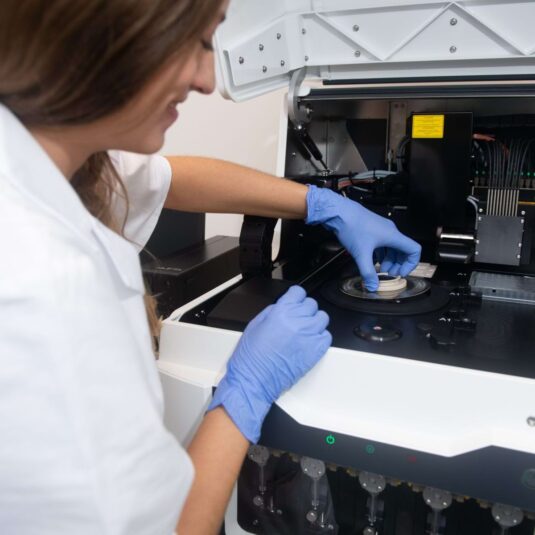
Fig. 1. Selected equipment used for physicochemical analysis.
A critical part of physicochemical analysis is detecting and quantifying impurities. Process-related impurities – such as residual host cell proteins or DNA from the production system – are typically measured by sensitive immunoassays (e.g., anti-host cell protein ELISAs) and DNA-specific quantitative PCR, respectively. Product-related impurities, including misfolded species, truncated fragments, or aggregates, are analyzed by techniques like capillary electrophoresis and various chromatography methods. For instance, size-exclusion chromatography (SEC) separates high-molecular-weight aggregates from the main protein monomer to ensure the product’s purity and monitor any aggregation tendency. Charge variants (acidic or basic isoforms of the protein) are characterized by ion-exchange HPLC or capillary isoelectric focusing, revealing heterogeneity in electric charge that could arise from deamidation or other modifications. Each of these analytical methods for protein characterization provides a piece of the puzzle, collectively ensuring the protein’s purity and homogeneity meet the required specifications.
Protein structure analysis extends beyond primary sequence to higher-order structure. Biologics often undergo complex post-translational modifications (especially glycosylation in antibodies and other glycoproteins), so detailed glycan analysis is a centerpiece of protein characterization. Chromatographic methods such as hydrophilic-interaction liquid chromatography (HILIC) coupled with mass spectrometry are used to profile the glycosylation pattern of the protein, identifying sugar residues and glycan structures attached at specific sites. Additional assays quantify monosaccharide composition and sialic acid content via high-performance liquid chromatography with fluorescence detection, ensuring that glycan-related critical quality attributes are consistent. Site occupancy analysis by LC–MS can confirm that all intended glycosylation sites on the protein are indeed occupied by glycans. Other common enzymatic or chemical modifications are also closely monitored: for example, oxidation of methionine or deamidation of asparagine residues can be pinpointed by peptide mapping LC–MS methods, comparing treated vs. untreated samples [1]. Non-enzymatic glycation (attachment of sugars like glucose to lysine residues) is another modification measured by specialized HPLC methods, as it can affect protein stability and function. Each of these analyses feeds into understanding the protein’s molecular heterogeneity.

Fig. 2. Selected equipment used for structural analysis.
Structural analytics also verify that the protein is correctly folded and assembled. Protein structure analysis techniques like circular dichroism (CD) spectroscopy assess secondary structure content (alpha-helices, beta-sheets) to ensure the protein’s folding pattern matches the expected profile. CD and complementary methods (such as Fourier-transform infrared spectroscopy) can detect changes in secondary or tertiary structure, which is crucial since a misfolded protein may lack efficacy or trigger immune reactions. Disulfide bond mapping by LC–MS confirms that cysteine residues form the proper disulfide bridges, a critical aspect for many antibodies and hormones that require correct pairing for stability and activity. Free thiol assays (like Ellman’s reagent test) quantify any unpaired cysteine thiols, which should be minimal if all disulfides are correctly formed. Using these techniques in concert provides assurance of the protein’s higher-order structural integrity. As one review highlights, a combination of chromatographic, electrophoretic, and spectroscopic methods is needed to fully characterize a monoclonal antibody’s variants and modifications.
Equally important are protein function analysis methods that verify the biologic’s biological activity. While structural assays ensure the molecule is built correctly, functional assays confirm it works as intended. Cell-based bioassays measure the drug’s effect on living cells, which is often the most direct demonstration of potency. Monoclonal antibodies might be tested for its ability to kill target cells (in an antibody-dependent cell-mediated cytotoxicity assay) or to neutralize a cytokine in a cell culture model. These bioassays are tailored to the mechanism of action of the biologic and yield a quantitative readout of potency (such as an effective concentration or percent activity). In addition, binding assays probe specific protein–protein interactions: an antibody’s affinity for its antigen can be measured via surface plasmon resonance (SPR) or biolayer interferometry, which provide kinetic binding data (association and dissociation rates) and the equilibrium binding constant [2]. Enzyme-linked immunosorbent assays are also used to test binding and specificity, for example by confirming that the protein binds only the intended target and not unrelated molecules. By incorporating these biological analytics alongside physicochemical tests, developers ensure that any structural variation detected has not compromised the protein’s function. Indeed, regulatory guidance emphasizes that characterization must cover both structural and functional attributes of the protein.

Fig. 3. Selected equipment used for functional analysis.
A comprehensive protein characterization program uses orthogonal techniques in tandem to build a complete quality profile. Many advanced analytical techniques are used together to cross-verify findings. That approach follows the principle of orthogonal analysis recommended by EMA and FDA. For example, if peptide mapping identifies a particular post-translational modification, mass spectrometry might quantify its level, and a bioassay may then test whether that modification affects activity. Using multiple independent methods provides higher confidence, since each technique has different strengths and biases.
Regardless of the specific tools, the goal of all these protein characterization techniques is the same to ensure that the biologic’s structural and chemical makeup is fully understood and controlled [3].
How Protein Characterization Ensures Structure and Function Integrity?
Thorough protein characterization underpins the drug’s safety and efficacy. By examining a biologic’s critical quality attributes in detail, scientists ensure that the molecule’s structure and function integrity are maintained throughout development [4]. Each quality attribute is chosen because of its potential impact on how the protein behaves in the body. For example, if characterization detects a drop in the level of terminal sialic acids on an antibody’s glycans or a shift in charge variant distribution, these changes might alter the antibody’s receptor binding or half-life. Developers will investigate whether such a structural change correlates with any change in potency or other functional readouts.
Regulators permit quantitative changes in a quality attribute as long as there is evidence that safety and efficacy are not compromised. Thus, characterization data often provide that evidence, demonstrating that despite a small variation, the antibody’s bioactivity and safety profile remain unchanged.
Establishing robust analytical links between structure and function also enables a Quality by Design approach in biologics manufacturing. Early in development, extensive characterization identifies which molecular features are critical for function – the critical quality attributes (CQAs). Process development scientists then design the cell culture and purification process to consistently achieve target values for those CQAs. During manufacturing, in-process testing and release testing (guided by characterization assays) confirm the product hits those target values for each batch.
Quality control of biologics relies on tying these analytical results to functional outcomes. Aggregates offer a telling example: High-molecular-weight aggregates in a protein therapeutic can increase the risk of immunogenic reactions in patients. By using SEC or dynamic light scattering to monitor aggregation levels, manufacturers set tight limits on acceptable aggregate content. If a process change or storage condition causes an uptick in aggregates, characterization detects it, and the process can be adjusted to mitigate the issue. Indeed, a recent analysis of biosimilars and their reference products found that modest differences in aggregate levels did not lead to different clinical immunogenicity, reinforcing that controlling aggregates within a low range is key to maintaining similar safety profiles. This exemplifies how empirical characterization data ensure that structural integrity (minimal aggregation) aligns with functional integrity (no immune response triggered) [5].
Protein Characterization in the Context of Biosimilarity and Comparability
When developing biosimilars protein characterization techniques take on critical importance. A biosimilar must be shown to be “highly similar” to its reference product, with no clinically meaningful differences in safety or efficacy. Since the original biologic’s clinical profile is established, regulators allow a biosimilar to rely on extensive analytical comparisons to the reference, rather than repeating every clinical trial. In fact, the FDA’s biosimilar approval framework emphasizes a “totality of the evidence” approach built on physicochemical and biological characterization data as the foundation for demonstrating similarity.
The first and most pivotal step in a biosimilar development program is a head-to-head analytical comparability exercise between the proposed biosimilar and the originator product. State-of-the-art methods (sometimes even more sensitive or orthogonal than those used for the original approval) are applied to dozens of batches of both products to probe for any differences in sequence, post-translational modifications, higher-order structure, purity, and potency. If these characterization studies show the two proteins are virtually superimposable in all key attributes, the likelihood of any clinically significant difference is minimal. As a result, later-stage animal or human testing requirements can be reduced or waived, saving time and resources. Regulatory authorities in both Europe and the U.S. have endorsed this science-driven approach: thorough analytical characterization is the enabling factor that can justify abbreviated clinical programs for biosimilars [6].
Protein characterization is equally essential when a manufacturer makes changes to its own process for an existing biologics. In these cases, comparability studies are performed to ensure the post-change product is comparable to the pre-change product. Guidelines outline that after process changes, the manufacturer should demonstrate the absence of adverse impact on quality, efficacy, or safety, primarily through analytical data.
A landmark study by Chirino and Mire-Sluis described how a “comparable” biologic can be confirmed via analytics, detailing strategies to assess whether a product made by a changed process is essentially the same as before. In-process testing and extensive side-by-side characterization of pre-change versus post-change material are now standard whenever a change is introduced. If analytics show high similarity, regulators have often agreed that no additional clinical trials are necessary. This practice has been borne out over decades: innovator biologics have undergone numerous manufacturing changes, yet by leveraging sensitive characterization to ensure consistency, manufacturers continued supplying products without interruptions to patients [7].
An illustrative example is the monoclonal antibody infliximab (Remicade®). Over its lifetime, Remicade has been produced at multiple sites and undergone process improvements, while over 150 million vials have been supplied globally with a highly consistent quality profile. This consistency was achieved by tightly controlling all quality attributes and continuously monitoring them via analytical characterization. Even subtle drifts in attributes like glycosylation or charge variants were detected early through routine testing and kept within permitted ranges so they had no impact on clinical performance [8].
Such real-world cases demonstrate that comprehensive protein characterization, combined with robust manufacturing controls, can ensure biologics manufacturing changes do not compromise a product’s integrity. In essence, analytical comparability has become a powerful concept: if you can prove two protein products are materially the same by every analytical measure, you can infer that they will perform the same in the clinic.
Regulatory Expectations and Quality Standards for Protein Characterization
Biologics are subject to stringent regulatory oversight, and agencies have clear regulatory requirements for protein characterization. In fact, the quality section of a biologic license application is largely built around the characterization data. Both the EMA and the FDA expect a comprehensive characterization package demonstrating a thorough understanding of the product’s attributes. The ICH Q6B guideline lays out the paradigm: it specifies test procedures and acceptance criteria for biotechnological products, essentially listing the core analyses that must be performed for proteins. According to ICH Q6B, manufacturers need to characterize physicochemical properties, biological activity, immunochemical properties, purity, and impurity profiles. Regulator expectations are that state-of-the-art analytical methods are used to probe each of these areas. If a new technology provides greater insight or sensitivity, agencies encourage its use.
European Medicines Agency requirements
The EMA has issued specific guidelines detailing quality expectations for therapeutic proteins. Notably, in 2016 the EMA released a guideline on development and characterization of monoclonal antibodies and related products. This guideline (and its updates) stress extensive structural characterization – confirming the amino acid sequence, post-translational modification profiles (e.g. glycosylation and oxidation variants), and higher-order structure – alongside functional assays proving the biological activity.
EMA expects that companies will establish reference standards and use qualified analytical methods to test every critical attribute of the protein. For biosimilars, EMA’s framework also heavily leans on analytics: the comparability exercise should be so rigorous that any residual uncertainty about differences to the reference product is minimized before any clinical trial. Indeed, recent trends in Europe have been to streamline biosimilar development by potentially foregoing confirmatory efficacy trials when the analytical and pharmacokinetic data are unequivocal. This push is evidenced by streamlined guidelines that acknowledge how far analytical sensitivity has advanced. In summary, European regulators require an exhaustive analytical protein characterization and will scrutinize the data to ensure that quality is built into the product from the start.
U.S. Food and Drug Administration requirements
The FDA’s view on protein characterization is largely aligned, though articulated through various guidance documents. The FDA has made clear in guidances for biosimilars and in public statements that analytical similarity is the cornerstone of their evaluation for biosimilar approvals. The agency expects a head-to-head structural and functional comparison using multiple batches, employing orthogonal methods to tease out any difference. Attributes like aggregation, glycoform distribution, charge variants, and potency must all be compared. The FDA’s 2015 Quality Considerations in Biosimilar Development guidance, for example, lists a battery of analytical studies companies should undertake. Moreover, the FDA (in line with ICH Q5E) requires sponsors to perform analytical comparability whenever manufacturing changes are made post-approval, to show the new process yields an equivalent product. Over years of biologics regulation, the FDA has embraced the concept that if you can prove analytically that a protein is highly similar, additional animal or clinical studies might be unnecessary. They call this a risk-based approach using the “totality of evidence”: stronger analytical data can reduce the need for other data. Even for original biologics, the FDA and other regulators want to see protein characterization data supporting why certain acceptance criteria were set linking to clinical knowledge when possible.
Challenges and Emerging Trends in Protein Characterization for Biologics
As the biopharmaceutical field advances, new challenges continue to emerge in protein characterization, and analytical technologies are rapidly evolving to meet them. One major challenge is the increasing structural complexity of modern biologics. Innovative modalities such as bispecific or multispecific antibodies, fusion proteins, and antibody–drug conjugates introduce new forms of molecular diversity that must be accurately characterized. For example, an asymmetric bispecific antibody can mispair its heavy and light chains during production, creating incorrect species. Detecting such mispaired variants requires clever analytical strategies that might combine multiple methods: one recent approach used a combination of intact mass spectrometry, specialized chromatographic separation, and two-dimensional LC-MS to unambiguously identify mispaired antibody chains [9]. Similarly, characterizing antibody-drug conjugates demands not only measuring the average drug-to-antibody ratio but also the distribution of drug loads across the antibody population and the specific sites of conjugation [10]. Standard assays had to be adapted and supplemented with high-resolution MS and chromatographic techniques to tackle these emerging protein characterization challenges. The heterogeneity of these next-generation biologics means that companies must expand their analytical toolkits and often develop novel assays tailored to each product’s unique features.
Regulatory trends are also encouraging the use of advanced analytics. Both FDA and EMA have signaled openness to analytical data replacing certain clinical requirements under the right circumstances. For instance, with over a decade of positive experience, agencies have begun approving some biosimilars without phase III efficacy trials, when comprehensive analytical and pharmacokinetic comparisons suffice. This reflects growing confidence that modern analytical techniques can prove two proteins are “highly similar” to a degree that clinical outcome differences are very unlikely [11]. Another emerging area is real-time or in-line characterization: analytical instruments are being integrated into manufacturing processes to monitor attributes continuously during production. This could allow immediate detection of deviations and more robust control of product quality in real time.
Protein characterization for biologics development is an ever-evolving discipline. The challenges of more complex molecules and higher regulatory expectations are being met with creativity and technological progress. The future promises even more sensitive, efficient methods to analyze therapeutic proteins. These advances will help ensure that as biologics grow more sophisticated, our ability to characterize and control them keeps pace. By continuing to invest in cutting-edge analytical methods for protein characterization and by embracing a holistic quality-by-design mindset, the biopharma industry is strengthening the foundation upon which safe, effective, and consistent biologic therapies are built.
FAQ
Prepared by:

Marketing Specialist
References
- Berkowitz SA, Engen JR, Mazzeo JR, Jones GB. Analytical tools for characterizing biopharmaceuticals and the implications for biosimilars. Nat Rev Drug Discov. 2012; 11(7): 527-40.
- Erasmus MF, Dovner M, Ferrara F, D’Angelo S, Teixeira AA, Leal-Lopes C, Spector L, Hopkins E, Bradbury ARM. Determining the affinities of high-affinity antibodies using KinExA and surface plasmon resonance. MAbs. 2023; 15(1): 2291209.
- Alhazmi HA, Albratty M. Analytical Techniques for the Characterization and Quantification of Monoclonal Antibodies. Pharmaceuticals (Basel). 2023; 16(2): 291.
- Chiu ML, Goulet DR, Teplyakov A, Gilliland GL. Antibody Structure and Function: The Basis for Engineering Therapeutics. Antibodies (Basel). 2019; 8(4): 55.
- Schiestl M, Stangler T, Torella C, Cepeljnik T, Toll H, Grau R. Acceptable changes in quality attributes of glycosylated biopharmaceuticals. Nat Biotechnol. 2011; 29(4): 310-312.
- Iskit AB. Biosimilars and interchangeability: Regulatory, scientific, and global perspectives. Eur. J. Pharm. Sci. 2025; 213(1): 107224.
- Chirino AJ, Mire-Sluis A. Characterizing biological products and assessing comparability following manufacturing changes. Nat Biotechnol. 2004; 22(11): 1383-1391.
- Melsheimer R, Calmann M, DeRitis A, Philip V, Van Gog F, Doolittle L, Goyal K, Neblock D. Ensuring Product Quality, Consistency and Patient Supply over Time for a Large-Volume Biologic: Experience with Remicade®. BioDrugs. 2018; 32(5): 405-414.
- Duivelshof BL, Beck A, Guillarme D, D’Atri V. Bispecific antibody characterization by a combination of intact and site-specific/chain-specific LC/MS techniques. Talanta. 2022; 236: 122836.
- Wang R, Hu B, Pan Z, Mo C, Zhao X, Liu G, Hou P, Cui Q, Xu Z, Wang W, Yu Z, Zhao L, He M, Wang Y, Fu C, Wei M, Yu L. Antibody-Drug Conjugates (ADCs): current and future biopharmaceuticals. J Hematol Oncol. 2025; 18(1): 51.
- Tuszyner A. The New Era of Biosimilar Development: Seizing the Opportunity Under EMA’s Streamlined Guidelines. Mabion Science Hub. 2025.